


Volunteering your expertise: Good for the soul, great for business


Keen to give back to your community or a charity, but can’t afford to donate money? Why not volunteer your time and expertise instead? Tom Valcanis explains how small and solo business can give to gain through volunteering.
If you’ve been around the soloist traps long enough to forget the dark times of working for (shudder) an employer!!! – it’s even odds you’ve heard the phrase “givers gain”. That is, doing right by your customers, going the extra mile, and giving away your time to good causes means you gain something far greater in return.
I don’t have to tell you we’re soloists because we know our worth and we’re good – damn good – at what we do. That self-belief and determination to strike out on our own leads to better and brighter things. It’s also the same reason why some of us, when witnessing an injustice, something broken, or someone who needs a lift up, do something about it.
Though we may have heard about the big corporate charities and organisations such as Oxfam, World Vision, or Médecins sans Frontières (Doctors Without Borders), smaller charities and not-for-profits that labour on part-time and run on the ‘smell of an oily rag’ don’t just need money to survive – they need skilled people to help.
That’s where soloists can shine.
“People who have skills are a breath of fresh air,” says Melinda Shelley, founder of 123Read2Me. 123Read2Me is a Victorian national charity that provides free books to children that otherwise cannot access or afford them, especially in regional areas.
“Whether they can smarten up our website, put in a system to roster on volunteers, or just connect us with people in relevant industries, it really helps in a big way. We do what we can with what we’ve got. The more people that can come and help means the more children we can reach.”
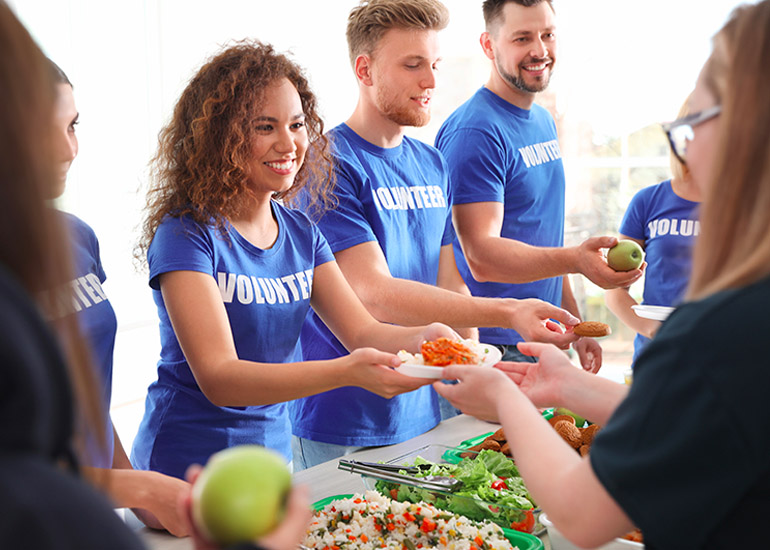
It’s not just the business-oriented skills that charities are after either. They also need people with hands-on skills like trades, hospitality, and retail to teach and empower others. The Intellectual Disability Foundation of St. George (IDF) in Sydney offers training and work placement for participants in their Specially Made line of cosmetics. However, with the funding and staff they have, their scope is limited.
Non-Executive Director (and volunteer!) Spiro Pissas says that the IDF is looking for baristas or people who work in hospitality as part of their expansion into a broader school-leavers program. The program will branch out into assisting homeless people, survivors of domestic violence and recent migrants.
“What we want to do is buy a mobile coffee cart and train our participants in all aspects of the hospitality business,” says Spiro. “We want to make it like a TAFE where we can train them up. Grinding beans, frothing milk, handling money, taking orders – all that kind of stuff. If businesses in the area are looking for staff, they can train them and find them here. That way, we can work together and help each other out.”
As model citizens, we often donate money to our nearest and dearest charities to feel a warm glow of doing good. Melinda says whatever your hourly rate is, it’s far more valuable to a charity if you spend it on helping out on the ground than donating the revenue.
“It’s so much greater value to leverage your talents into helping charities like us get more done,” she says. “Every charity is trying to get as much as they can done with what they have. In our organisation, we need someone who is good with logistics, and someone who is good with social media. If we have to hire someone, we need to raise more money. If someone just turns up with the ability and the will to do it … that’s just icing on the cake.”
With so many charities out there to choose from, it really is a question of who do you help first? Melinda recommends you find a charity that speaks to you on a personal level.
“If you’re passionate about what they’re doing, just email or call them and say, ‘Hey, I can do this for you’ and help out. It’s wonderful. Anyone who reaches out, we’re grateful for.”
Charities are like businesses. The funds and expertise going in means better outcomes when it’s spent on their product: helping people. Any skill advantage a business can leverage is a boon – and the same goes for charities.
“We are a disability enterprise, and we don’t really want to be reliant on government funding; we want to be self-sufficient,” Spiro says. “Every business needs as much help as it can get. Some [organisations similar to IDF] are just small independent operations in the suburbs, and they’re shutting down because funding is changing.
“We want to pay our way. If volunteers donate their expertise and connect to the broader business community at the same time, then everyone’s happy.”
Happy is right – studies have shown there are mental health benefits to volunteering, too.
When more soloists and small business owners come together, their network expands. This is the obvious upside to helping charities become as widespread as they can be – they not only help more people, but the business connections a volunteer can make are limitless.
“I have this vision that one day a big businessperson is going to turn up and say, ‘How much do you need?’” Spiro reveals. “That will help pay for a warehouse and sorting area, perhaps even turn part of [the space] into a café.”
“There are few chances to be a hero in life and help disadvantaged kids across Australia, but if someone out there has an empty warehouse or wants to leave a legacy, they can.”
What happens next? Well, that’s up to you.
To find charities or not-for-profits you could volunteer at, click here for the Australian Charities and Not-For-Profits Register.
Join the soloist movement. Whether you are new to Flying Solo or looking to grow your business, our membership options will help you attract more leads, grow your network and sharpen your business skills. Sign up to our newsletter to get the latest news and advice straight to your inbox.
Now read this:
//corestage-cdn.flyingsolo.com.au/live-smarter/business-values/the-importance-of-giving-as-a-small-business-owner/
Comments