


Should you be worried about ChatGPT and AI?


In the past few months we’ve seen the emergence of several breakthrough AI systems. Should we be worried they will replace our skills and take our jobs? Steve Glaveski shares his thoughts.
First, DALL-E created unique artwork and digital images for us based on short natural language prompts. Second, Jukebox made use of neural nets to generate music, including singing, in a variety of genres and artist styles. And now, ChatGPT is answering our questions, writing our articles, and giving us advice.
It’s doing a damn fine job of it too and will only get more sophisticated with time.
For decades now, technophiles have tried to allay our AI job displacement concerns.
“Technology has always created more jobs than it destroys.”
“AI will free people up to work on less rudimentary and more interesting work.”
“Human beings were meant to be creative, and that is one thing AI won’t be able to do.”
But as we witness the rapid emergence of generative-AI models, it’s hard to stand by these claims.
Since launching a week ago, ChatGPT has attracted over one million users, and unlike crypto before it, it has seen the proliferation of numerous real-world use cases that don’t require mental gymnastics to make sense of.
People are using it in myriad ways:
It has so many use cases, that it is becoming widely considered a Google killer.
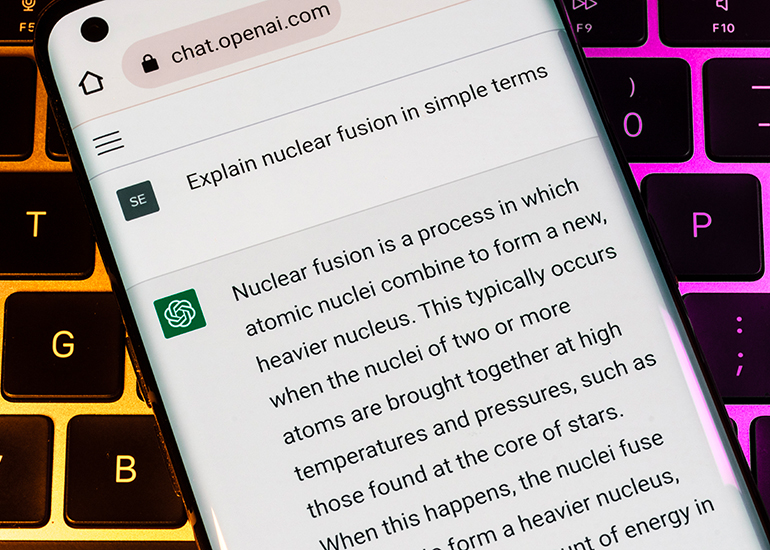
In some ways, ChatGPT’s simplicity and elegance does to Google what Tesla did to internal combustion engine vehicles. It makes Google look stupid.
It’s clear today that AI can be creative, and that AI can replace not only rudimentary tasks but also cognitive tasks that usually require deep expertise and deep work to complete; but can do so in an instant.
Yes, ChatGPT is far from perfect, but when you consider the rate at which technology progresses, it won’t be long before it is.
So much of our sense of self and identity is tied up in what we do, our unique insights, our contributions to the world.
If we lose a sense of identity or purpose, our whole world can effectively come crashing down. It can preempt mental health spirals and depression.
And so, what do we do about this?
What value do we have to our current organisations, if much of what we do can, and will, be automated away?
Since the dawn of time, our survival has been dependent on our adaptability to change. And in these heady times, it seems we will need to adapt or ultimately perish.
Ultimately, it comes down to whether we choose to see ChatGPT and tools like it as a threat or an opportunity.
In an AI-driven world, choosing the latter path will make us more likely to succeed.
This article was originally published on steveglaveski.com and is republished here with permission.
Join the soloist movement. Whether you are new to Flying Solo or looking to grow your business, our membership options will help you attract more leads, grow your network and sharpen your business skills. Sign up to our newsletter to get the latest news and advice straight to your inbox.
Now read this:
//corestage-cdn.flyingsolo.com.au/business-technology/how-chatbots-are-helping-businesses-generate-more-sales-and-keep-customers-happy/
Comments