


Stop paying for things you’ll never use: The top dos and don’ts for sole traders when managing finances


As a sole trader, you’re the face of the business, the voice on the phone, the brain behind the budgeting. So how can you get the money side of business covered without becoming a spreadsheet zombie?
In today’s rocky economic climate, irregular cash flow is one of the major reasons small businesses and sole traders are forced to throw in the towel. If you want to survive, you’ve got stay one step ahead of the game in how you’re keeping tabs on the money coming in and out of your business.
Unless you have a fiery passion for numbers, it’s likely the idea of managing your business finances fills you with dread. But if you get your processes airtight, accurate and thorough bookkeeping can be your business’s secret weapon. You’ll also claw back that precious time you need to do more of what you actually want to be doing.
Whether you’re just starting out or have been at the helm of your business for years, these dos and dont’s can help ensure you’re making smarter calls around what you’re spending your time and money on.
You may be using an online platform for basic accounting, but it always helps to seek guidance from an expert that understands sole traders and solo businesses. Working as a solopreneur presents a different set of challenges to that of running a small business, so the same guidance and financial advice can’t be so easily applied.
A great accountant should offer personalised support, and have a thorough understanding of your tax requirements and the revenue streams of your business. Running a business solo doesn’t mean you’re in it alone, so reach out to any forums, Facebook groups or networks for recommendations for accountants in your areas of expertise.
Moving all aspects of your business operations and finances to a digital platform is your best chance at maintaining clear visibility to help you make important decisions. Luckily, there are loads of platforms and services for simple invoicing and bookkeeping that don’t involve tedious spreadsheets.
Since all financial and operational decisions come from you, you want to be able to access all of your information at the click of a button. Be aware though, many digital platforms are built to support the operational needs of businesses with a number of employees, meaning many of the tools they offer are unnecessary for the self-employed.
Okke is a great example of a tailor-made software platform designed specifically for solo self-employed Aussies. So if you’re a tradie, freelancer or contractor, it’s for you. The platform offers timesaving features like invoice and expense automation, automatic calculation of GST, simple bank reconciliations and creating tax and business reports.
With okke, you can send unlimited invoices and quotes, ensuring the right information is landing in your customers’ inboxes in a timely manner. Take a look at their no-strings-attached six-month free trial to give it a go.
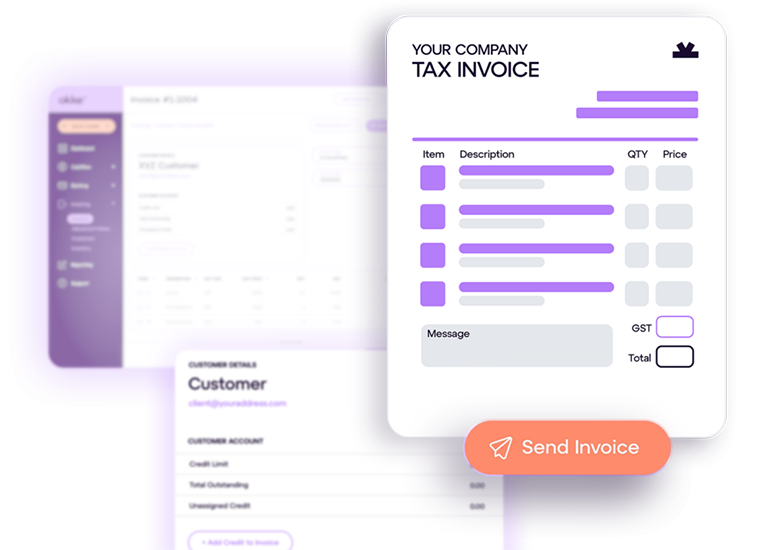
Nothing makes tax time more confusing than the sea of abbreviations floating around. As a sole trader registering for a goods and services tax (GST), it’s important that you understand exactly what this step means for your business, including your obligation to lodge an accompanying business activity statement (BAS). If ever in doubt, ask your accountant.
According to the ATO, every sole trader should keep all tax invoices and GST records for five years to ensure you have visibility over your business’s performance. This doesn’t mean keeping all the receipts in a shoebox – there are electronic record keeping systems that can easily do this for you
With many software platforms, you can find yourself pouring money into services you’ll never use as a sole trader. For example, despite having no employees, you may be paying for complex payroll management or multiple user logins. Using a software platform that is flexibly designed for self-employed people means you only pay for the services you’ll actually use day-to-day. Okke makes it easy to simplify cash flow, offering each customer a tailored plan with round-the-clock support.
Surprise admin costs and subscription fees, what a hoot! Yes, we’ve all been stung by sneaky fees before and it’s not a good vibe. Make sure that you do your research when shopping around for a bookkeeping software platform, as boring as reading the fine print may be. Some services come with sneaky added costs and stipulations, such as caps on your invoicing or fees for linking your bank accounts.
While visibility across your operations and finances helps you budget and make decisions, don’t drown in an ocean of reporting and data. Remember, you aren’t running a multi-billion dollar operation with 100 employees – yet. The important things to keep an eye on to manage cash flow are your day-to-day expenses, payments, invoices and taxes.
If you’re looking for a hassle-free online bookkeeping solution, try okke’s no-strings-attached six-month free trial today.
This article is brought to you by Flying Solo in partnership with okke.

Comments