


Cyber safety: practical tips and insights to keep your business secure


How’s your cyber security? Are you worried about passwords being compromised or malware interfering with your computer? Marshall Thurlow, founder of Orion Marketing, explains what every business owner needs to know about cyber threats like phishing, ransomware and malware.
Did you know that small businesses are just as vulnerable to cyber attacks as larger companies? In fact, a Verizon data breach study shows that 43 per cent of all cyber attacks are aimed at small businesses.
A single cyber breach can cost you hundreds of thousands of dollars, which can be enough to drive you out of business. Attacks like these can not only have profound negative impacts on businesses with fewer employees, but they can also compromise customer data.
I know that whenever I open a new email or click on a website link, internal alarm bells go off! As I work on SEO (which is largely about links on websites), cyber safety and security are always on my mind.
So, what are the current cyber security threats that small business owners like you and me face? And how can we mitigate them? Read on as I discuss these issues in greater detail.
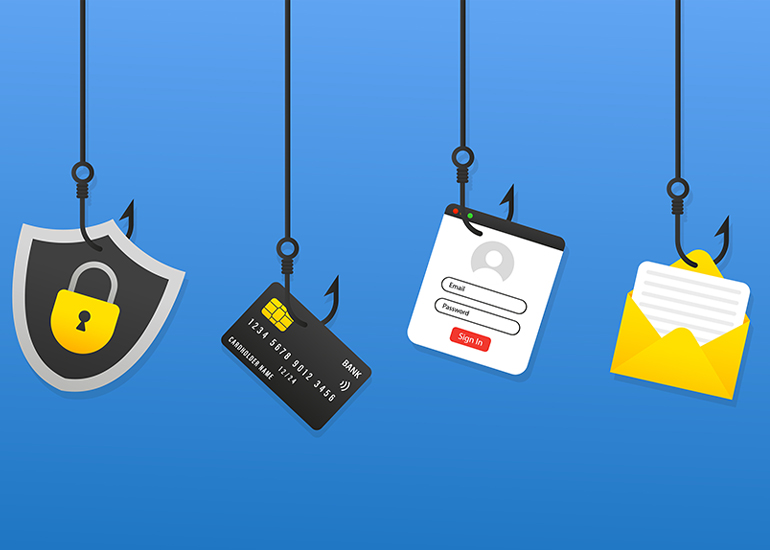
One of the most prevalent cyber security threats facing small organisations today is phishing. According to the Verizon Data Breach Investigations Report, 30 per cent of all data breaches in 2020 involved phishing attacks.
Ever gotten an email or a message that looks like it’s from a friend or company contact but doesn’t seem quite right? It’s likely you’ve been the target of a phishing attack – a fraudulent attempt to obtain sensitive information or login details.
For instance, a phishing email would instruct the person who receives it to click on a link to reset their password or update their login information – leading to a fake login page that will capture all of your details.
I sometimes receive emails claiming to be from Paypal or eBay, even when I haven’t transacted on their platform. You can usually tell, as the subject line may sound funny or may include emojis, and the tone of the preview text sounds off. It is better to trust your judgement and to delete these emails. Thankfully, Gmail does a pretty good job of sorting through these types of emails.
A major challenge when it comes to combatting phishing is the fact that it relies more on human behaviour than technological weaknesses. Attackers exploit their victims’ trust and emotions to persuade them to take actions that will compromise security.
There are some solutions that small businesses can implement to reduce the risk of phishing attacks. Here are some examples:
According to the 2020 State of Malware Report by Malwarebytes, there was a 13 per cent increase in the overall number of malware attacks detected in 2019 from 2018.
The increase was largely driven by an increase in threats targeting businesses, with the number of detected threats increasing by 13 per cent for small businesses, and 27 per cent for medium-sized ones.
I often run my virus scan software and on occasion, it will alert me to a warning or critical malware threat. These threats can usually be addressed through the virus scan program.
Malware attacks consist of malicious software that’s designed to harm, disrupt or gain unauthorised access to a computer, network or mobile device.
It can take many forms such as viruses, worms, ransomware, spyware and more. These attacks can result in data loss, theft of sensitive information, financial losses and more.
Small businesses are particularly vulnerable to malware attacks as they don’t often have the resources to implement stronger cyber security measures. In addition, in small businesses, employees may also use personal devices for work – increasing the risk of a malware infection spreading to the business network.
Malware attacks can be devastating for small businesses, causing costly repairs, lost productivity and damage to the business’ reputation. To protect against these attacks, it is essential to:
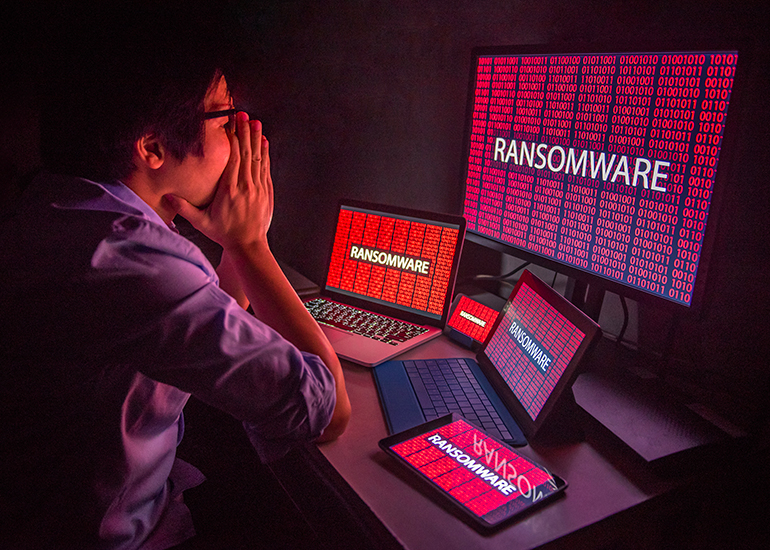
Ransomware is one of the most common cyber attacks that small businesses face. In fact, according to a recent study, 71 per cent of ransomware attacks targeted small businesses.
Ransomware is a type of malicious software that encrypts a victim’s files and demands payment in exchange for the decryption key. Small businesses are particularly vulnerable to this type of attack because they often lack the resources to implement strong cyber security measures.
Ransomware attacks can be incredibly damaging to small businesses, often causing expensive downtime and lost revenue.
Fortunately, there are ways small businesses can protect themselves against ransomware attacks.
With the rise of cyber attacks, it’s vital that you prioritise cyber security, and ensure that your team members are educated on the latest threats.
As hiring a cyber security professional may not be feasible for your small business, upskilling yourself or your team members on the latest protective measures can help. Consider a short course to gain experience and knowledge in areas of cyber security such as implementing a critical protection strategy, learning how to carry out disaster recovery and more.
Join the soloist movement. Whether you are new to Flying Solo or looking to grow your business, our membership options will help you attract more leads, grow your network and sharpen your business skills. Sign up to our newsletter to get the latest news and advice straight to your inbox.
Now read this:
//corestage-cdn.flyingsolo.com.au/business-technology/technology/dont-get-caught-out-identity-security-is-essential-to-business-as-usual/
Comments