


Is an eCommerce platform right for your online business?


The rise of eCommerce has made it easier than ever for businesses to sell products online, but setting up an online store can be a daunting task. That’s where hosted eCommerce platforms come in. These platforms provide businesses with a range of tools and services to help them create and manage their online stores. writes founder of Shaped Logic, John Debrincat.
In this article, we’ll explore the benefits of using a hosted eCommerce platform and highlight two popular platforms – Shopify and Maropost.
One of the main benefits of using a hosted platform is that it makes setting up an online store easier and more accessible to businesses of all sizes.
These platforms typically offer user-friendly interfaces and tools that make it easy to add products, manage inventory, and process orders. For example, Shopify’s drag-and-drop website builder allows users to quickly and easily create a custom storefront, while Maropost’s user-friendly interface allows businesses to manage their entire eCommerce operations from a single dashboard.
Using a hosted platform can also save businesses money in several ways. Businesses don’t have to worry about many complexities and costs, for example:
These are all handled by the platform provider.
Additionally, many platforms offer pricing plans that are scalable and affordable for businesses of all sizes. For example, Shopify’s pricing plans range from $29 per month for a basic plan, to $299 per month for an advanced plan. While Maropost offers a range of pricing plans that start at $149 per month.
The platform best suited to your business will depend on what the business needs. Costs for larger, more complex businesses will be greater than your hobby business out of your home garage.

eCommerce platforms are designed to be scalable, meaning they can grow with your business as your needs change.
Whether you’re adding new products, expanding your customer base, or entering new markets, a hosted platform can provide the tools and infrastructure you need to support your growth. For example, Shopify’s platform can handle high volumes of traffic and transactions, while Maropost’s platform can scale to support multiple storefronts and international markets.
Another benefit of using a hosted eCommerce platform is that it allows businesses to create a custom storefront that reflects their brand identity.
Most platforms offer a range of customisable templates and design tools that allow businesses to create a unique online storefront that stands out from the competition. Shopify’s theme store offers hundreds of customisable templates that allow businesses to create a custom storefront without any coding experience, while Maropost’s drag-and-drop design tools allow businesses to create a custom storefront that matches their brand identity.
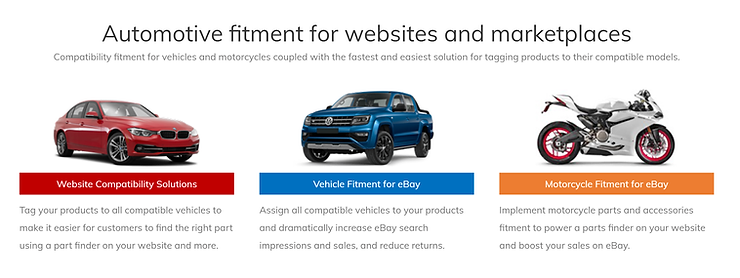
Systems like Maropost and Shopify also allow agencies and designers to add new features and capabilities to suit your business requirements. Generally, this won’t be available in the start-up plans and will need a higher level of license. This development capability can also be used by agencies to create add-ons to existing platforms, which can save thousands when compared to building a bespoke website. A good example is the Zellis Auto which is built using an extension using the Maropost platform.
Security is a critical concern for businesses that operate online, and hosted eCommerce platforms offer a range of security features to protect customer data and transactions.
Shopify’s platform includes SSL encryption to secure customer data, while Maropost’s platform includes PCI compliance to ensure that customer data is stored securely.
Data security has become a major issue on all websites, but especially eCommerce. New standards such as the General Data Protection Regulation (GDPR), which has been a European standard since 2018, will impact businesses.
Finally, eCommerce platforms typically offer customer support and technical assistance to help businesses resolve any issues they encounter while running their online stores. Shopify offers 24/7 customer support via phone, email, or live chat, while Maropost provides dedicated account managers to help businesses with their eCommerce operations.
Platform providers are also quick to provide fixes for issues and to release new versions. These updates are free and generally applied automatically by the service provider.

AI may be one of the most significant opportunities for eCommerce seen in recent years. There are many advantages and usage possibilities. Since ChatGPT became available, developers have been experimenting. ChatGPT can be trained to better recognise answers to specific businesses questions and chatbots powered by ChatGPT are already available.
For example AI will drive:
And much more.
To wrap it up, using a hosted eCommerce platform can provide businesses with a range of benefits. Shopify and Maropost are two popular examples of platforms that offer businesses a range of tools and services to help them create and manage their online stores.
Whether you’re just starting out or looking to grow your existing online business, a hosted platform can provide the infrastructure and support you need to succeed in today’s competitive eCommerce landscape.
Following is a list some of the major eCommerce platform providers:
Each platform has its own set of features, pricing plans, and target audience. It’s important to research and compare different platforms to determine which one best fits your specific business needs.
This article was first published on ShapedLogic.com and is republished here with permission.
Join the soloist movement. Whether you are new to Flying Solo or looking to grow your business, our membership options will help you attract more leads, grow your network and sharpen your business skills. Sign up to our newsletter to get the latest news and advice straight to your inbox.
Now read this:
//corestage-cdn.flyingsolo.com.au/business-technology/technology/ecommerce-is-for-every-business-why-you-should-bring-your-biz-online/
Comments