


How to protect your mental health after a cyber attack


With cyber crime on the rise and attacks on business small and large occurring daily in Australia, the financial and reputational stress on business owners cannot be denied when such a crime occurs. However, there’s one impact that’s often overlooked for victims of cyber attack – their mental health, writes entrepreneur and corporate wellbeing coach, Fiori Giovanni.
We’re hearing about cyber attacks more and more, especially with organisations like Optus and Medibank being compromised. In fact, in last week’s Flying Solo newsletter, the email subject line was: “Latest data hack a real worry for small businesses”, referring to the Latitude Finance security breach.
With the increase in resources and articles on how to deal with cyber attacks from a technical and practical standpoint, there are not an equally increasing number of resources focusing on how to deal with the stress and psychological impact of them.
Yet, the stress can be debilitating. It’s not uncommon for victims on both sides of the cyber crime fence (businesses and affected customers), to feel a sense of helplessness, exposure and vulnerability; which in turn affects sleep, energy levels, self-esteem, joy, purpose and motivation. In some cases, people turn to alcohol or drugs to self-medicate, and some even experience crippling anxiety and/or depression.
With all this in mind, here are some important wellbeing tips to remember if you’ve been the victim of a cyber crime.
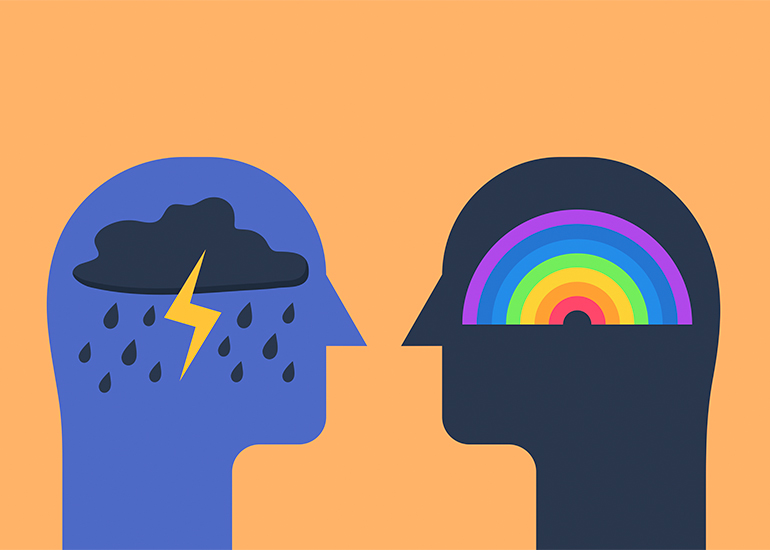
If you’re a victim of a cyber attack, your life is likely going to be thrown into absolute disarray. And at that moment, probably the last thing you’ll have time for, or interest in, will be your mental health.
Yet, it should be your top priority. Without it, how will you effectively get through the stress of the event? Your mind won’t be sharp, and you could lessen your ability to make the best decisions at the right time.
So, when a cyber attack happens, return to this article and read the below points, or at least each headline.
Your body needs to be well; your brain needs to be sharp. One of the purposes of breathing is to help send life-giving oxygen to all parts of your body, including your brain. Your brain functions at its optimum cognitive level when it’s receiving the optimum amount of oxygen.
There are dozens of deep breathing techniques around, and while I do teach specific ones in my business workshops and one-on-one consultations, for today I’m simply going to ask you to take note of the breaths you’re taking during the event. You’ll find that they’ll likely be fast and shallow. So make a conscious effort to breathe at your normal rate, drawing air right down into your lungs.
Just the simple act of breathing naturally and normally can make a world of difference. As I like to say, “Breathe through the stress, rather than breathing less.”
Invest your energy in recovery, not personal recriminations. The attack on you wasn’t personal. Globally, some experts predict there is a cyber attack every 39 seconds! Locally, the Australian Cyber Security Centre received 67,500 cyber crime reports in the 2020-2021 financial year, which is an increase of 13 per cent compared to the previous year.
It’s normal to feel as though someone has specifically targeted you and your business, and that you’ve failed in your protection of both. That’s not the case though. If even the largest organisations with the biggest cyber protection budgets have been compromised, and will continue to be so – what does that say about the sophisticated nature of cyber attacks?
Although the temptation is to berate yourself, you’re funnelling energy into the wrong socket. Your mental health needs all your positive energy right now, as does your business.

When you’re a victim of a cyber attack, it’s common to feel that the situation is out of control, creating feelings of powerlessness, vulnerability, stress and panic.
This is normal. But know that there are productive steps you can take. The Australian Government has provided a range of resources, including this guide on the four steps to take after a data breach.
In a situation like this, try to focus on what you can control, rather than on what you can’t.
Another way to stay in control is to document all the steps you’re taking throughout the cyber attack recovery process. Keep a record of everyone you’re speaking to, and everything you’re doing. Not only will this keep you on track and provide vital records, it will be your visual proof that you’re taking control of the situation.
When the urgency has passed, talk to a friend, family member, colleague, fellow micro-business owner (perhaps consider debriefing on the Flying Solo forums), or to your preferred health professional.
As a Self Healing Therapist, I see people at all stages of a crisis or trauma. Don’t discount what has happened to you. The violation of a cyber attack can trigger past emotional events where your privacy was violated, churning up old emotions. The emotional aftermath is real; your emotions are normal. It’s brave and healthy to seek professional help.
Also, invest in some down time. Your body has been on high alert, and you want to take it out of ‘fight or flight’ mode. Ongoing stress has negative health impacts, so don’t skip this step. You don’t necessarily need to take a holiday (though if that’s possible, go for it!), but try to at least take a day or two off to do something you enjoy. If you can’t, at the very least, ensure you take regular breaks, eat well, exercise, drink plenty of water, and get enough sleep.
Being the victim of a cyber attack is no small thing, and the aftermath may present itself in various ways, at various times – perhaps even years after the event.
Keep an eye on your mental health, and continue to engage in self-care activities like talking to your friends and family, taking time out, trying to engage in activities like meditation and journaling, and seeking help from your preferred health professional when necessary.
Cyber attacks happen every minute, but don’t let their frequency minimise the emotional toll they take. And if your micro-business is targeted, prioritise your mental and physical wellbeing at all times. Your business is important, but your health is beyond measure.
Join the soloist movement. Whether you are new to Flying Solo or looking to grow your business, our membership options will help you attract more leads, grow your network and sharpen your business skills. Sign up to our newsletter to get the latest news and advice straight to your inbox.
Now read this:
//corestage-cdn.flyingsolo.com.au/live-smarter/four-proven-stress-busting-tools-to-calm-and-strengthen-your-mind/
Comments