


Want your entire team to succeed? Then it’s time to prioritise your wellbeing


Margie Ireland is an executive coach and psychologist passionate about helping leaders be more resilient, confident, and, ultimately, happier. She joined editor Cec Busby on the Flying Solo podcast to share how looking after your wellbeing can positively affect your whole team.
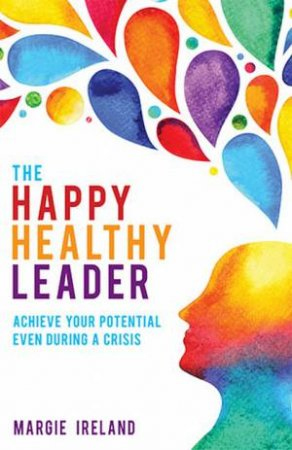
Margie has worked with executive leaders for over 20 years and has just released her new book, The Happy Healthy Leader, a guide for people to reach their full potential whilst maintaining a happy, healthy mindset. Margie describes the book as a “map” – filled with tools, techniques and research to help those in leadership succeed by prioritising their wellbeing.
“It’s a guide or map to being happier and healthier as a leader because what I’ve found – and the research suggests – is that if you are happy and healthy, it will have a positive knock-on impact on your people.”
Margie says showing compassion for yourself ultimately leads to a more positive outlook and builds more empathy and connection with your staff.
“Somewhere along the line, we were taught that if you’re easy on yourself, you’re not going to work as hard, or you’re not going to do as well,” says Margie.
“When we’re not coping, most people say things to themselves like “you are not good enough” or “you should be able to cope with this” or “what’s wrong with you?”. Particularly in Western cultures, we tend to be quite negative and critical of ourselves rather than kind to ourselves when we’re going through a tough time.
“Recent research suggests that it’s not so much about changing your mindset. It’s more about noticing when you are hitting a roadblock, and rather than being so critical of yourself, have some compassion towards your experience.
“In my work, I help leaders recognise what they could do in difficult situations and to have more of a friend show up in their head. Imagine your best friend in front of you. What would they say to you at this moment instead of what you’d say to yourself?
“Brene Brown recently said in an interview that there’s absolutely no evidence that suggests that being hard on yourself makes you more effective as a person.”
Margie believes that building compassion for yourself can help you connect with your team, particularly when faced with a difficult staff member.
She says with difficult people or conversations, “What you can do is decide – am I going to be negative about myself and my inability to manage that person, or am I going to be a bit more compassionate to myself? And by doing that, we can also be more compassionate towards them; we can see perhaps what’s really going on for them.”
Margie suggests that turning our first reactive emotions into curiosity can help.
“When we get curious, our brain can’t then be reactive,” she explains. “Curiosity turns on the part of your brain in your prefrontal cortex, which is your logical brain. That’s where we make good decisions and where we organise and plan things. And it’s also where empathy sits.”
So rather than going with your first reaction to a difficult team member, Margie suggests saying to them, “That’s interesting, tell me more”.
“That takes you out of that reactive brain up to this more logical part of your brain, and therefore you’re able to be less reactive to that person or situation and be a lot more logical.
“What I’m describing here is emotional intelligence.”
Margie says that having healthy boundaries around work is essential for both leaders and their staff and that it requires all business owners to lead by example.
“If a leader sends an email after hours, employees often feel pressure to respond,” Margie explains. “I’ve seen a lot of leaders stop doing that. They may set their emails to go out first thing Monday morning, but at least it’s not over the weekend. If they can do that more often, it enables their team to do the same. Leaders need to lead by example.”

With many teams working entirely or partially from home, Margie says that it has produced some unique pressures for staff and leaders and some silver linings, such as more trust amongst team members, less micromanagement, and better communication.
“I think this is one of the biggest challenges leaders have had over the last couple of years,” says Margie. “What leaders have noticed is that by trusting that their people are doing their job, they are getting better performance out of them because they don’t feel like they’re being watched over. When someone feels trusted, often they feel they do need to deliver.
“What this change of working environment has identified is that leaders do need to communicate more often. Leaders have had to communicate more regularly and effectively with remote workforces and that’s helping teams be more engaged.”
Margie’s top wellbeing tip is embracing some simple mindfulness techniques when things are starting to feel overwhelming.
“I recommend mindfulness because it’s free,” Margie says. “There’s now about 40 years of research and science behind how it helps people become more resilient and able to deal with stress more effectively.
“In simple terms, mindfulness is the ability to notice when your mind has gone into worry – whether it’s a worry for the past or future – and bring yourself back into the current moment.
“One of my favourite techniques is a really simple one based around the five senses.
“Ask yourself: What can you see? What can you hear? What can you feel? What can you taste? What can you smell?
“What they do is bring you into the current moment. Sometimes all you need to do is pick one. I’ve got one client who just focuses on smell. Whenever he notices himself drifting off into worry, he thinks, “okay, what can I smell?” It might be something unpleasant or something nice, but it grounds him in the now.
“Regular practise of mindfulness has shown that people can pull themselves out of stress a lot faster. Start practising every day for five or ten minutes – over time, you’ll start to be able to do it in the moment, when you notice that your mind has started to go into worry.”
For more great tips and evidence-based advice on succeeding as a strong and resilient leader, grab your copy of The Happy Healthy Leader or head to Margie’s website to find free resources for leaders and workplaces.
Join the soloist movement. Whether you are new to Flying Solo or looking to grow your business, our membership options will help you attract more leads, grow your network and sharpen your business skills. Sign up to our newsletter to get the latest news and advice straight to your inbox.
Now read this:
//corestage-cdn.flyingsolo.com.au/live-smarter/health-and-wellbeing/are-you-a-lone-wolf-beware-these-sneaky-downsides-to-hyper-independence/
Comments